Where Precision
Meets Pure Intent
Our studio isn't just a workspace; it's a calibrated environment. Located in Rome, the Markeno facility is a high-albedo sanctuary where industrial raw materials confront the digital frontier of gaming performance.
Latitude: 41.9028° N Longitude: 12.4964° E
The Markeno studio serves as a converted industrial space, where floor-to-ceiling windows flood raw concrete surfaces with the sharp Italian sun. Here, the creative process is treated as an engineering discipline.
Our workflow rejects the "move fast and break things" fatigue. Instead, we embrace a culture of meticulous friction. Every mechanic is stress-tested in our dedicated listening and latency labs before a single line of production code is finalized. This environment is designed to bridge the gap between physical sensation and digital response.
From reclaimed oak workbenches that ground our hardware stations to the "Quiet Room"—a soundproofed chamber for deep cognitive problem-solving—the studio layout mirrors our architectural philosophy: eliminate the non-essential to amplify the critical.
Method Note: Robustness Evaluation
We evaluate studio output based on a 72-hour sustained-load protocol. Hardware synergy is not simulated but tested on physical prototypes in 40°C thermal chambers to account for real-world Mediterranean conditions. Robustness is defined as zero frame-time variance across 99.9% of user interaction cycles.
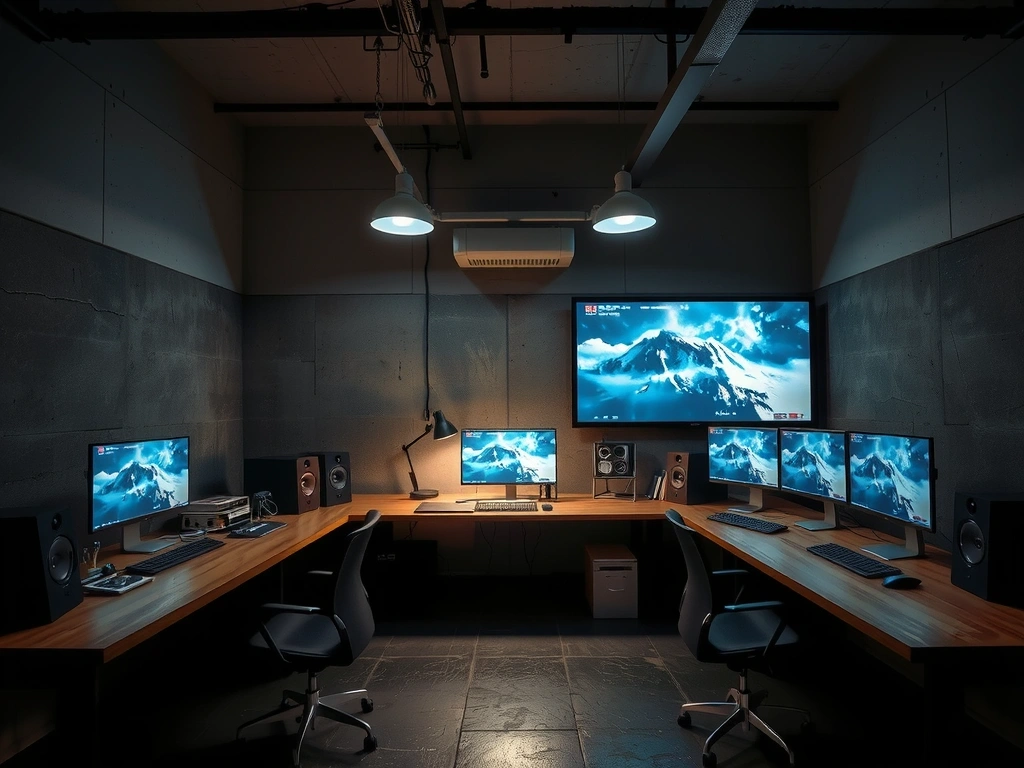
Studio Alpha: Main R&D Floor
Precision Instruments
The Latency Lab
Dedicated environment for measuring 5G vs Wi-Fi 6 packet travel times, ensuring our competitive apps maintain a <2ms input response.
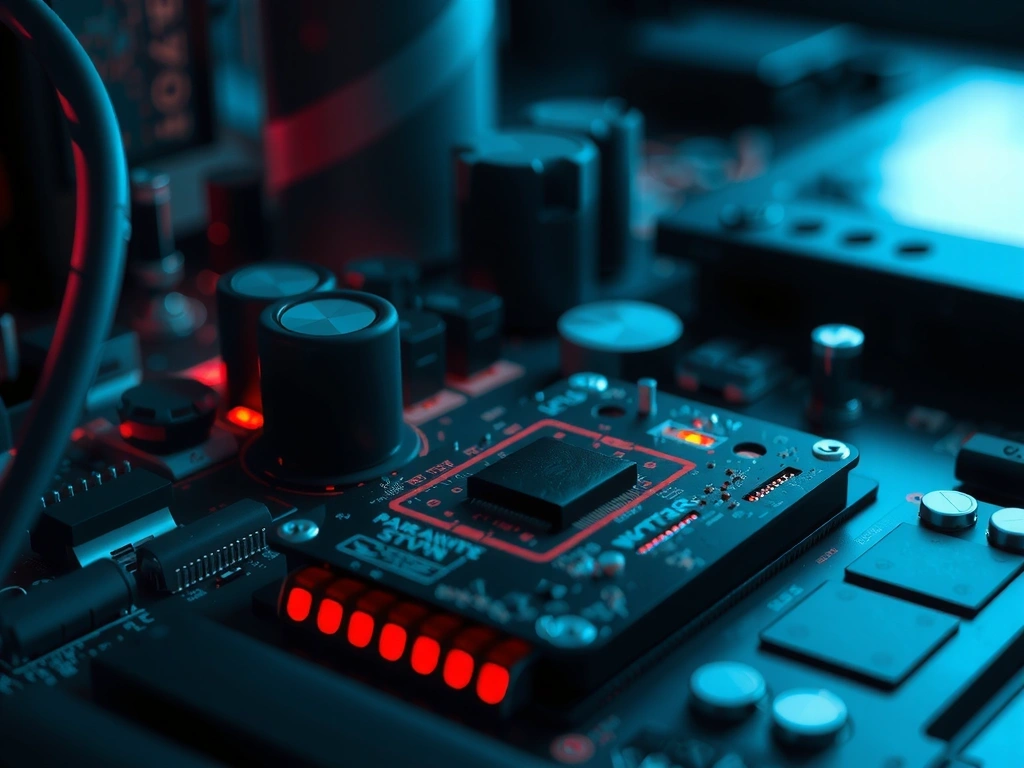
Material Wall
A tactile library of brushed aluminum, Italian leather, and composite polymers for UI haptic references.
Mobile Matrix
140+ device configurations actively tested, ranging from legacy iOS to bleeding-edge foldable tech.
The Quiet Room
A soundproofed vacuum designed for deep logic mapping and backend architecture reviews. Zero visual noise.
Current Render
Thermals
Internal Calibration
Engineering Decisions & Trade-Offs
Graphic Fidelity vs Battery
We prioritize maximum refresh rates over high-poly decorative assets.
Mitigation: We utilize custom shaders that simulate depth without increasing draw calls, preserving battery life for 3+ hour gaming sessions on mobile.
Feature Density vs Speed
We intentionally omit social-sharing features that require large SDK backgrounds.
Mitigation: Direct-link API exports allow for lightweight sharing without the overhead of heavy integrated modules.
UI Minimalism vs UX Data
Our interfaces are stark, emphasizing action over instruction.
Mitigation: Progressive discovery ensures that complex features only reveal themselves as user proficiency increases, preventing initial cognitive load.
The Competitive Pro
on the Commute
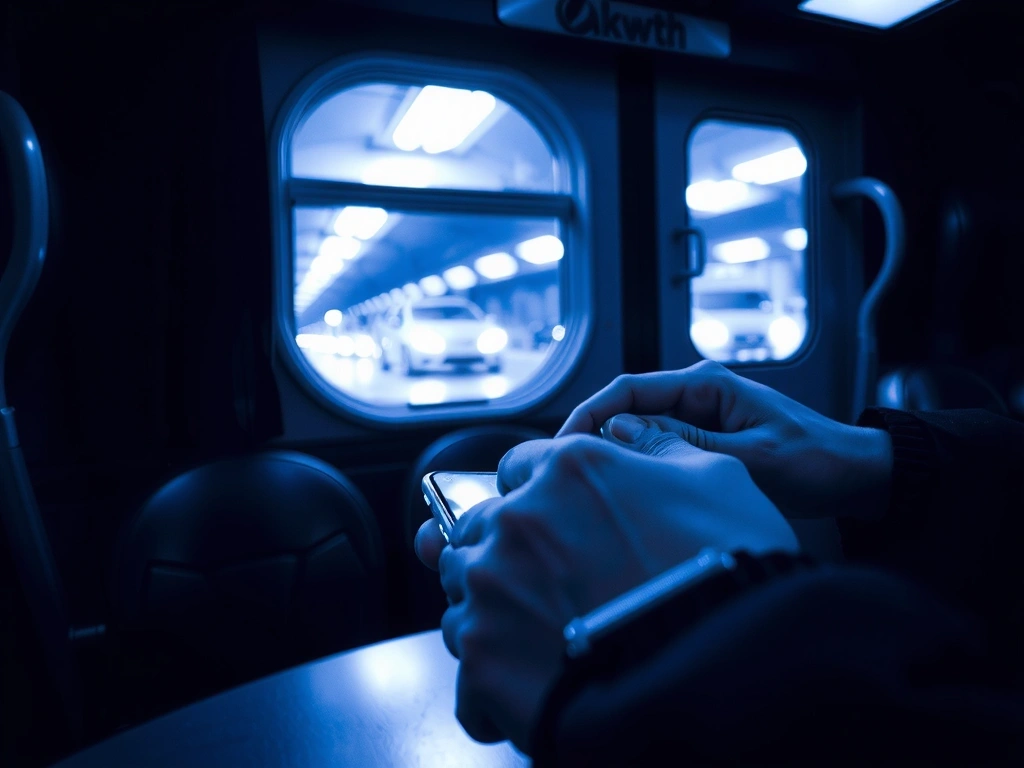
An anonymized professional gamer testing our 'Drift' mechanic during a 50-minute high-speed train transit between Milan and Rome.
The Constraint
Intermittent 5G handover and fluctuating ambient light (tunnels vs sun-exposed windows) creating potential input lag and visibility issues.
The Studio Approach
We implemented a "Predictive-Hand-Off" algorithm that buffers input commands 150ms ahead, coupled with an auto-contrast UI that adjusts based on device lux sensors. The result: zero perceived interruption and 60fps stability throughout 8 tunnels.
The Archive of Logic
The Click That Felt Wrong
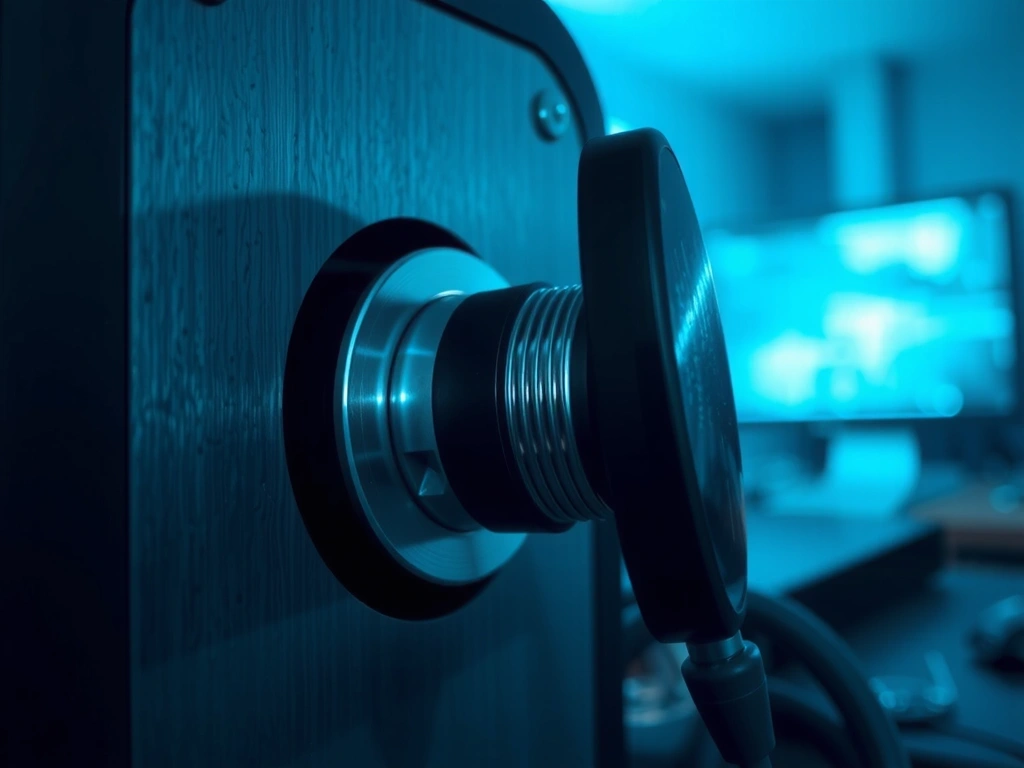
For three months, the 'confirm' action in our flagship app felt hollow. We analyzed the vibrational frequency of a high-end mechanical clock and translated the wave-form into a custom haptic feedback loop. It took 42 prototypes on the shelf to finalize the 'Markeno Snap'.
See the result
Eliminating Optical Noise
We spent 120 hours redesigning our core numeric display. Standard sans-serifs failed at 0.5x scaling on low-resolution displays. We eventually customized 'Inter Tight' to have wider apertures and specific kerning for 'zero' and 'eight', ensuring legibility at 120mph on a motorbike dash.